
To get the most out of Soilmentor’s Regen Dashboard, it is important to understand the value of each Regen Indicator test and what it can tell you about your soil health.
In this series of clips, agroecologist and Soilmentor collaborator, Nicole Masters, delivers bite-size, digestible insights into what the Regen Indicators truly indicate. Nicole shares her years of experience and knowledge on the topic of: why should I do the Regen Indicators?
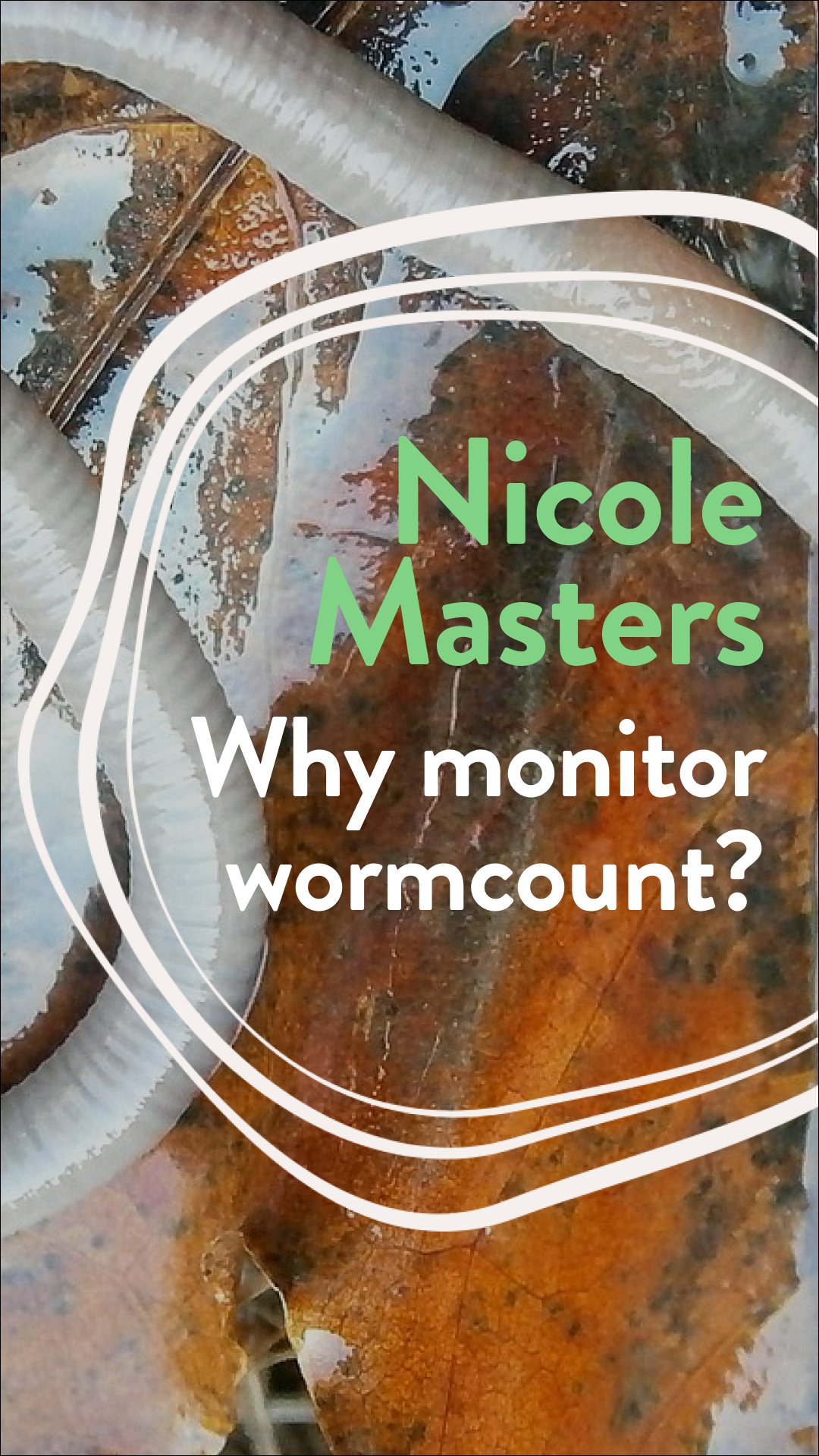
Why monitor wormcount?
Falling in love with your earthworms is key to building soil health. Worms move through soil, metabolising organic matter, creating pores and adding structure for other soil organisms; they improve water drainage, and make nutrients bioavailable for plants. Nicole describes worm castings as the elixir of life! A healthy soil means lots of worms, in all shapes and sizes!
Key takeaways
- Earthworm castings contain secondary metabolites, plant growth hormones and more.
- There are three types of earthworms that all move through the soil in different ways – you want to encourage a population of all three.
- The tunnels made by earthworms create porous space where soil microbes can live, water can infiltrate, and roots can grow.
- The number of earthworms found will depend on your soil type, for example sandy soil will have fewer worms.
- If you have lots of earthworms, you are doing something right!
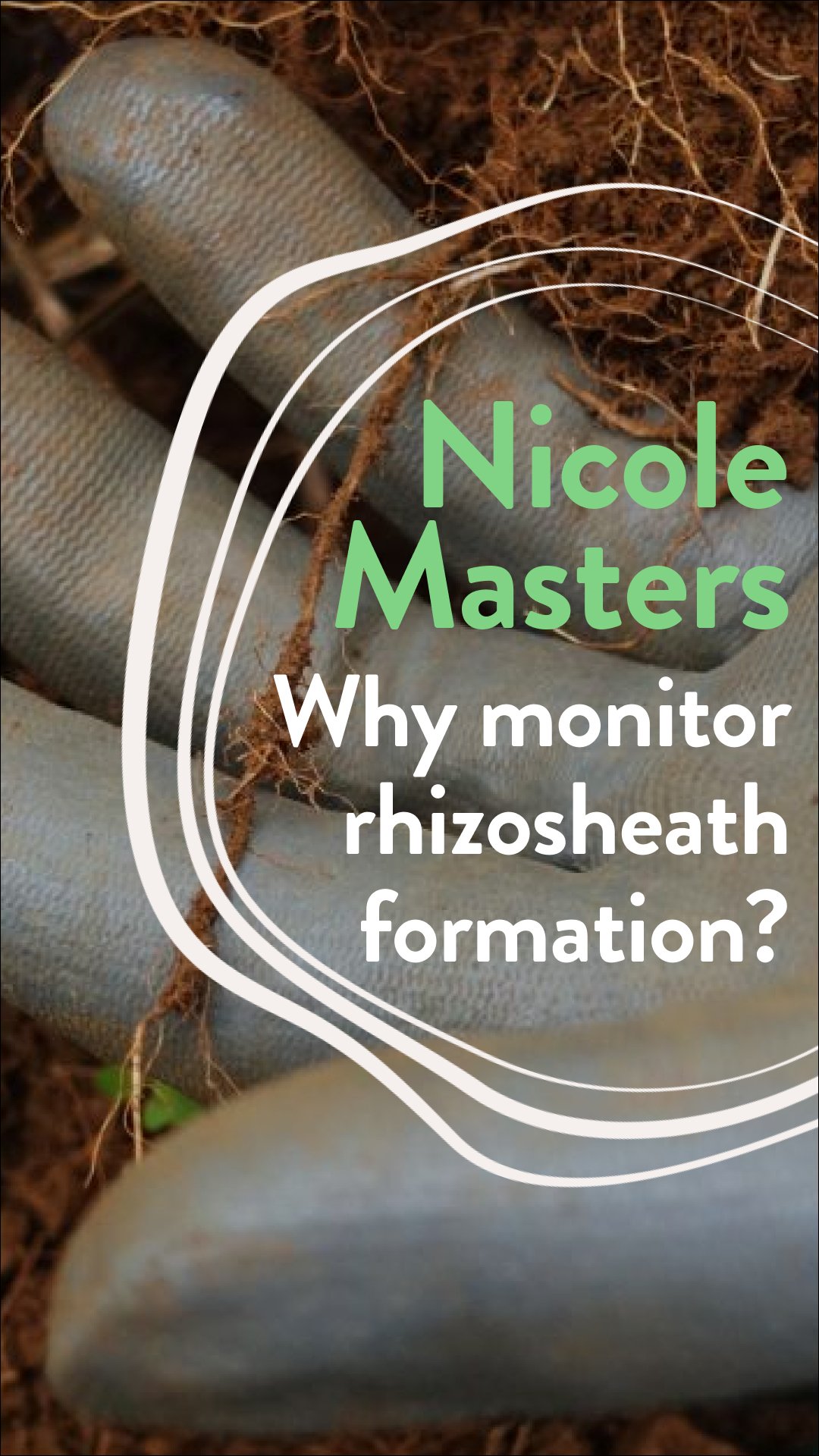
Why monitor rhizosheath formation?
Rhizosheaths form when plants release sugars that attract microbiology to the rhizosphere. This microbial community releases mucilage which acts as a glue, sticking a layer of soil to the plant root. This layer of soil then protects the plant roots from changes in climate, moisture, nutrients and PH. Do this test anywhere on your farm, just pick a healthy looking plant and assess its roots.
Key takeaways
- A rhizosheath is a layer of soil that surrounds the roots of a plant.
- Rhizosheaths protect a plant’s roots from changes in climate, moisture, nutrients, PH and more.
- Rhizosheaths form as a result of the presence of microbiology and their mucilage, which acts as a glue in the soil.
- Rhizosheath formation can be impacted in unhealthy and compacted soils.
Why do a Brix test?
A Brix reading reflects the efficiency of a plant’s photosynthesis. When the brix of your weeds (undesirable plant species) is compared with the brix of your crop (desirable plant species), you can see whether you are creating the best conditions for your crops, or your weeds!
Key takeaways
- A Brix test shows the percentage of plant sugars within a plant, using a refractometer.
- A refractometer measures from 0-50% Brix. One Brix is equal to 1g of sucrose in 100g of solution.
- The Brix barometer assesses whether your crop (desirable plant species) is photosynthesising more effectively than your weeds (undesirable plant species).
- If your crop has a higher Brix reading than your weeds, then your soil conditions are more favourable to the growth of your crop.
- You’re on the right track if your crop is 2-3 Brix higher than your weeds!

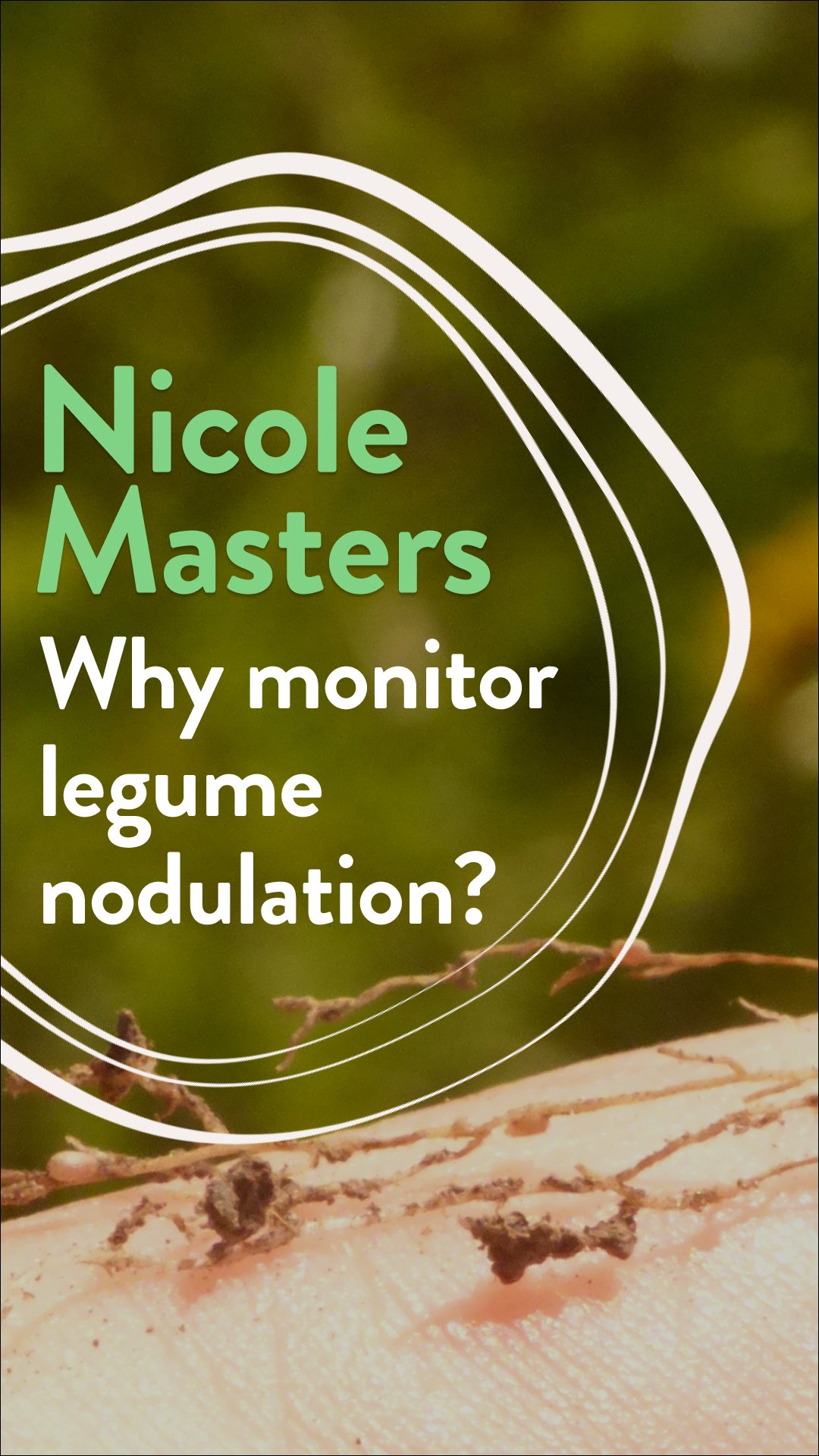
Why monitor legume nodulation?
Legumes form relationships with different types of bacteria in the soil which allow them to grow nitrogen-fixing nodules in their root systems. Legumes don’t fix nitrogen in all soil conditions, so it is important to assess if your nitrogen-fixing plants are functioning healthily.
Key takeaways
- Check regularly to see if your legumes are fixing nitrogen by assessing if they have nodules on their root systems.
- Pinch nodules with your fingernails or a knife to see if the inside is pink or red, if so they are actively fixing nitrogen!
- If your legumes aren’t growing nodules, your soils probably need some love!
Why measure rooting depth?
Rooting depth measures the distance that plant roots are able to travel through the soil. If your plant’s roots are concentrated at a shallow depth, this suggests something is limiting root growth, such as compaction, nutrient deficiency, or low oxygen levels. A healthy soil profile will allow roots to grow deep into the soil, forming a resilient soil structure.
Key takeaways
- The depth of a plant’s roots can inform you on the health of your deeper soil layers.
- If your plant’s roots are concentrated at a shallow depth, you will be susceptible to flooding and drought, as roots allow for water infiltration and storage.
- Rooting depth can be limited by factors, such as compaction or a layer of soil releasing gases.
- Compacted soil can also affect your plant’s ability to grow root hairs.
- Healthy plant roots of some species can grow up to 20 ft down into the soil!

Why record infiltration rate?
Infiltration rates indicate how much rainfall your soil is able to absorb and hold onto. You want water to be able to travel the length of your soil profile and into your underground aquifers. Infiltration tests can also tell you about the structure and porosity of your soil.
Key takeaways
- Infiltration rates tell you how much water your soil can absorb and store.
- It is important that water is able to travel through the soil profile so that aquifers can be refilled.
- If your infiltration rate is slow, it is likely that your soils are compacted or hydrophobic.
- Cutting through the soil after an infiltration test can give further clues about whether water moves evenly through the soil profile, or whether there are areas preventing drainage.
Why look at soil insect score?
This test focuses on the presence of root chewing insects and pest populations. The more undesirable insect populations you can find in your soils, the greater the risk they pose to your crop.
Key takeaways
- Soil insect scores tell us about the estimated population of root chewing insects and pests in your soil, and therefore potential damage to your crop.
- It is important to research pest pressures specific to your region.
- Presence of insect pests can indicate that your soil ecosystem is falling into a decline, making your soil more susceptible to further pest damage.
- Areas affected by underground insect pests appear above ground as lower growing patches of vegetation. You may also start seeing holes in the soil where birds are feeding on your pest population.

Why do a slake test?
A slake test indicates the level of aggregate stability in your soil, and therefore soil biological activity; this is because an aggregate is held together with microbial mucilage. If a small aggregate is put into water, it will fall apart if there is no mucilage to hold it together, indicating a lack of biological activity.
Key takeaways
- Mucilage secreted by soil microbes hold the soil together to form aggregates.
- If the aggregate sticks together when put into water, it contains microbial mucilage which is holding it together.
- If your aggregate is held together with mucilage, this means it is more resilient to flooding.
- If you also see bubbles forming around the aggregate while it is underwater, this indicates microbial respiration is taking place.
- This is a visual test which can give exciting insights into soil health.

We hope that these short clips expressed the magnitude of what you can learn from your soil with just these simple tests under your belt! By developing an instinct for these kinds of farm observations, you can fully engage with the changes you are helping to make on your farm.
If you have any questions for the Vidacycle team, please feel free to email us at info@vidacycle.com.


